Works · 22
My consultancy that turns design ideas into interactive tools and automates recurring, time-consuming tasks for architecture firms — connected to Archicad or Revit where needed.
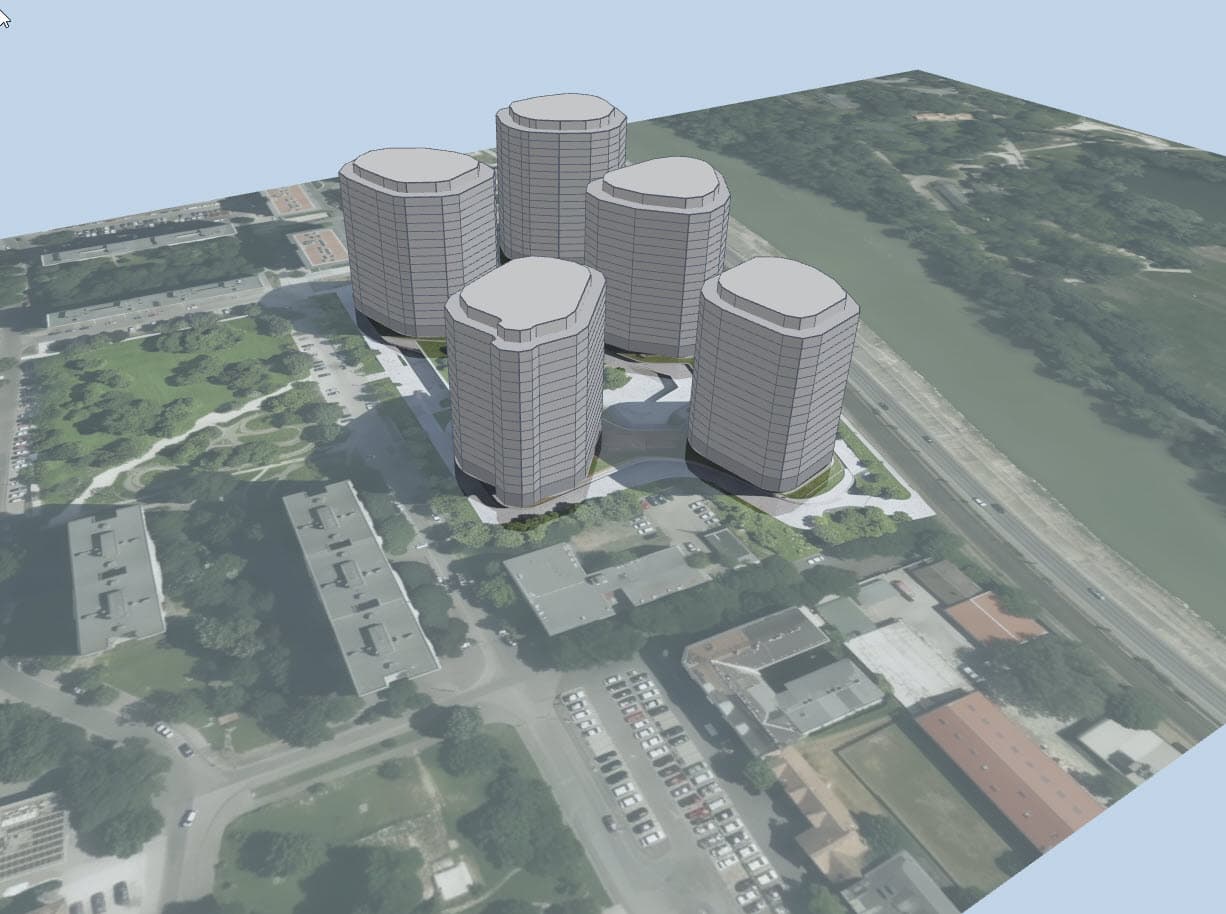
An AI-assisted site study tool that turns a polygon drawn on satellite imagery into a generated masterplan, extracted building footprints, and a 3D massing model with live FAR and coverage checks.
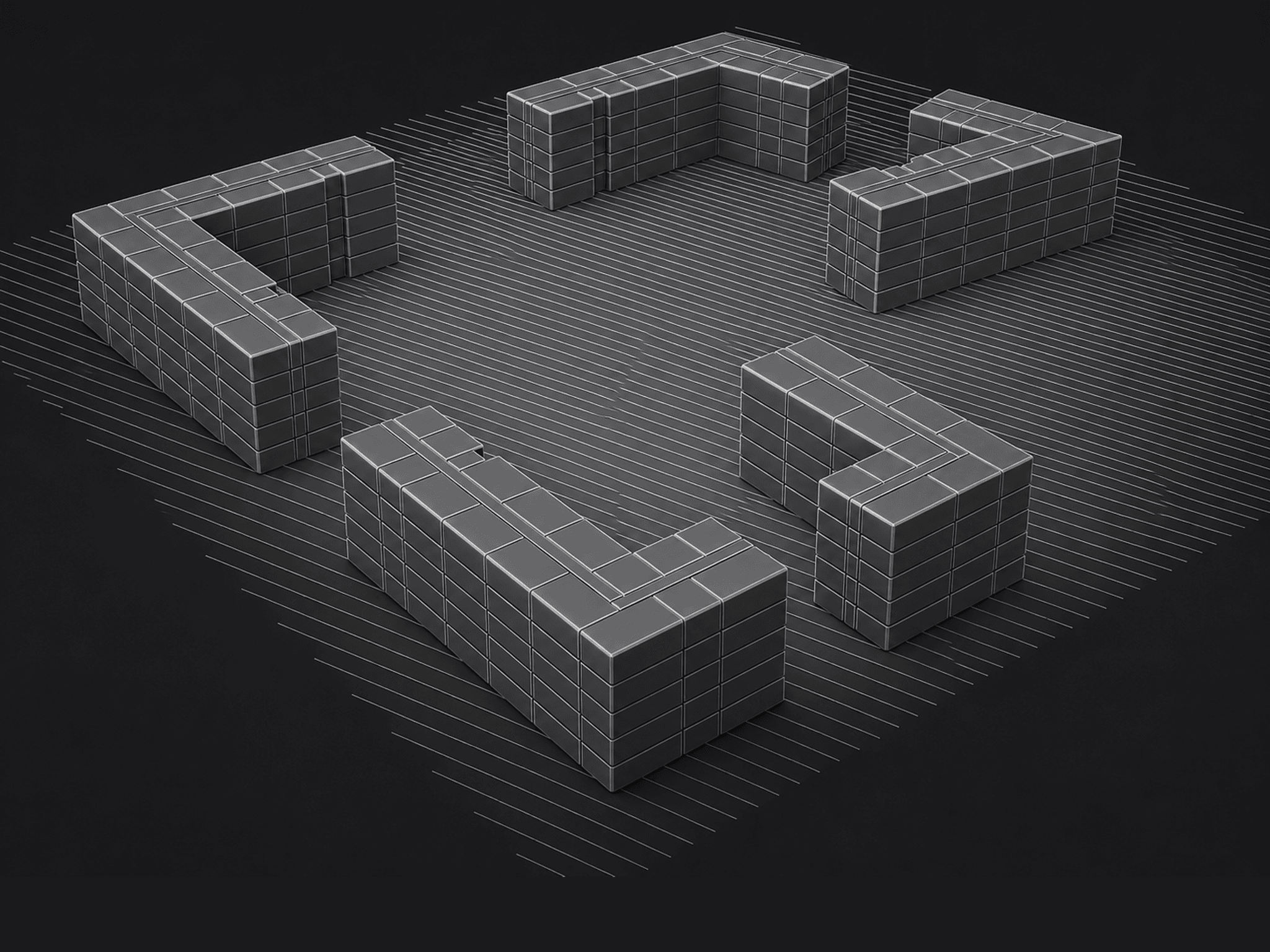
A Grasshopper plug-in that generates schematic building models — residential towers, hotels, and offices — from site data and parameters, built as an in-house alternative to commercial feasibility tools.
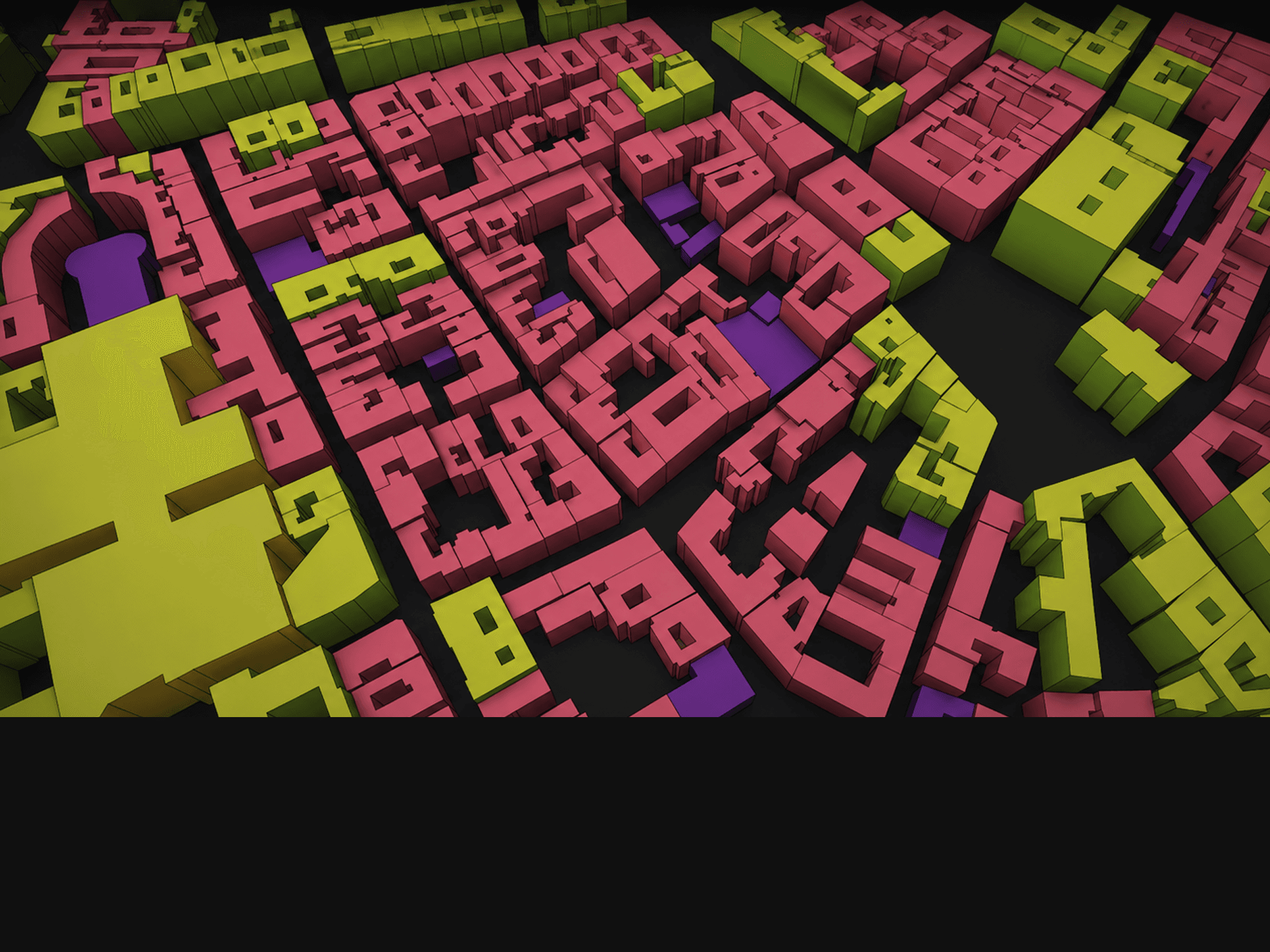
A machine learning pipeline that clusters buildings by urban typology using OpenStreetMap and Google Earth 3D data, surfacing outlier plots with untapped development potential.
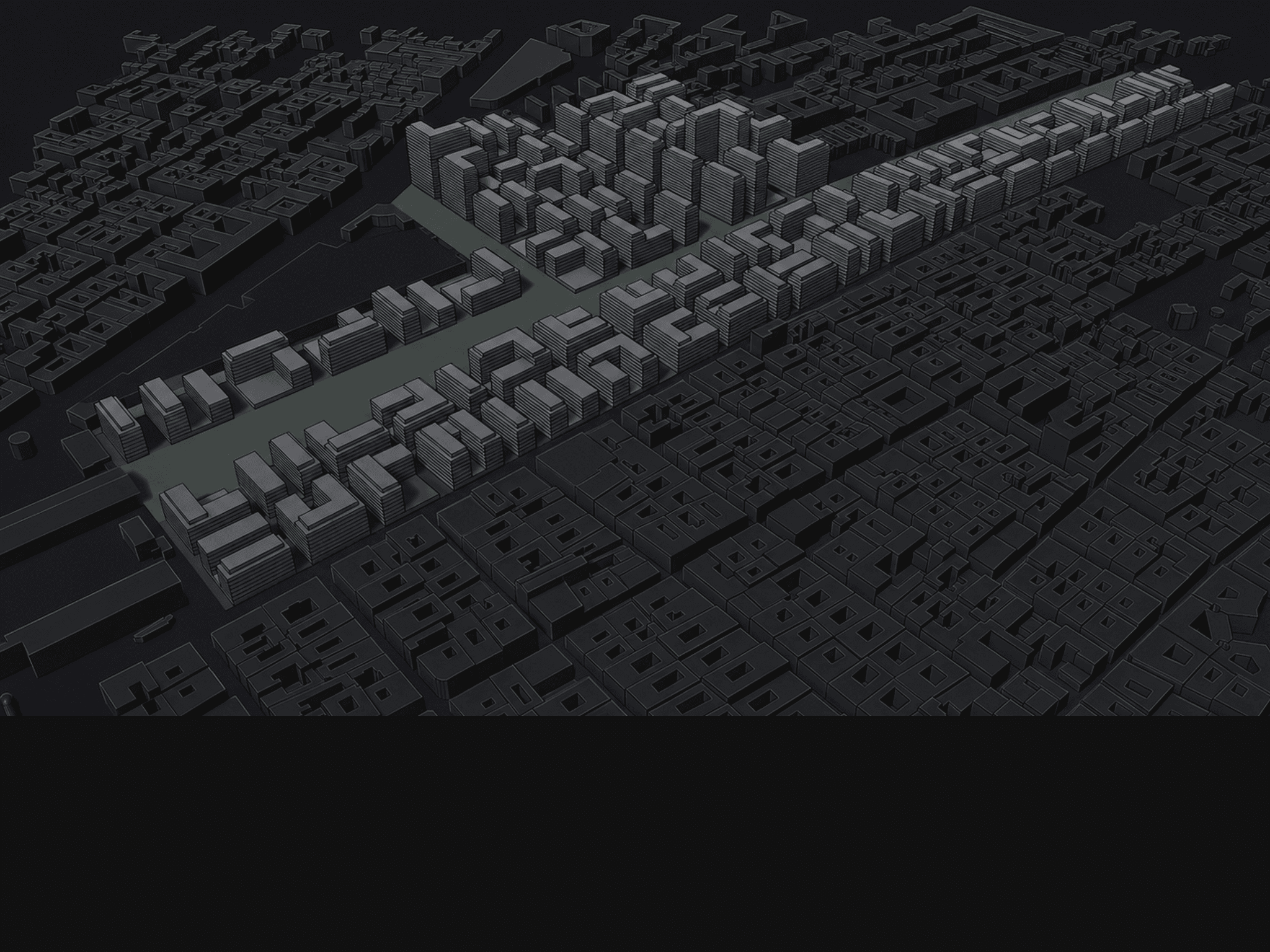
A parametric Grasshopper model generating full building configurations for a 360,000 m² mixed-use district in Budapest, with real-time area breakdowns for developer feasibility studies.
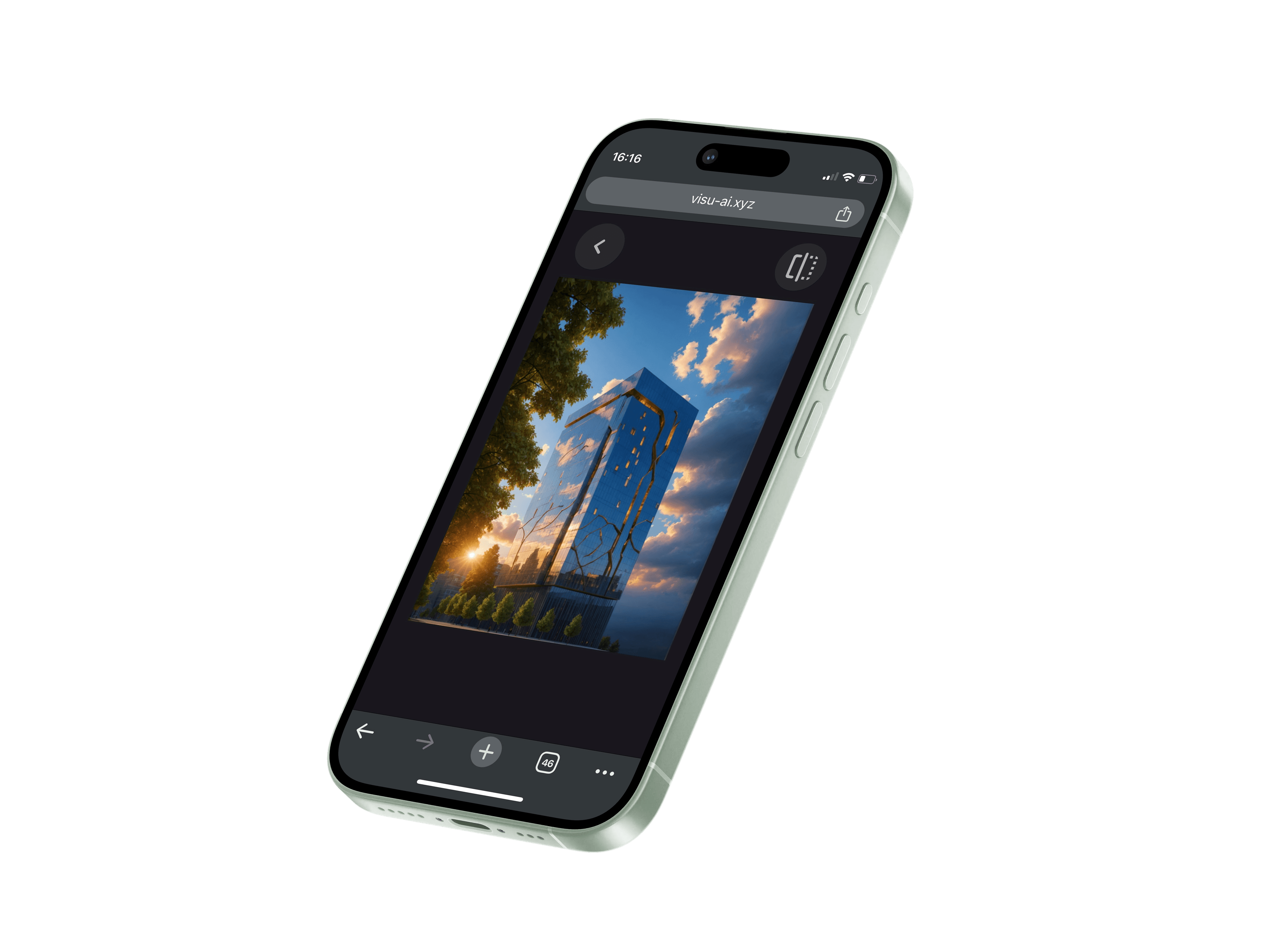
A fast rendering app that transforms any sketch into a 3D architectural render based on user-defined style preferences — built as an early market experiment in AI-assisted visualization.
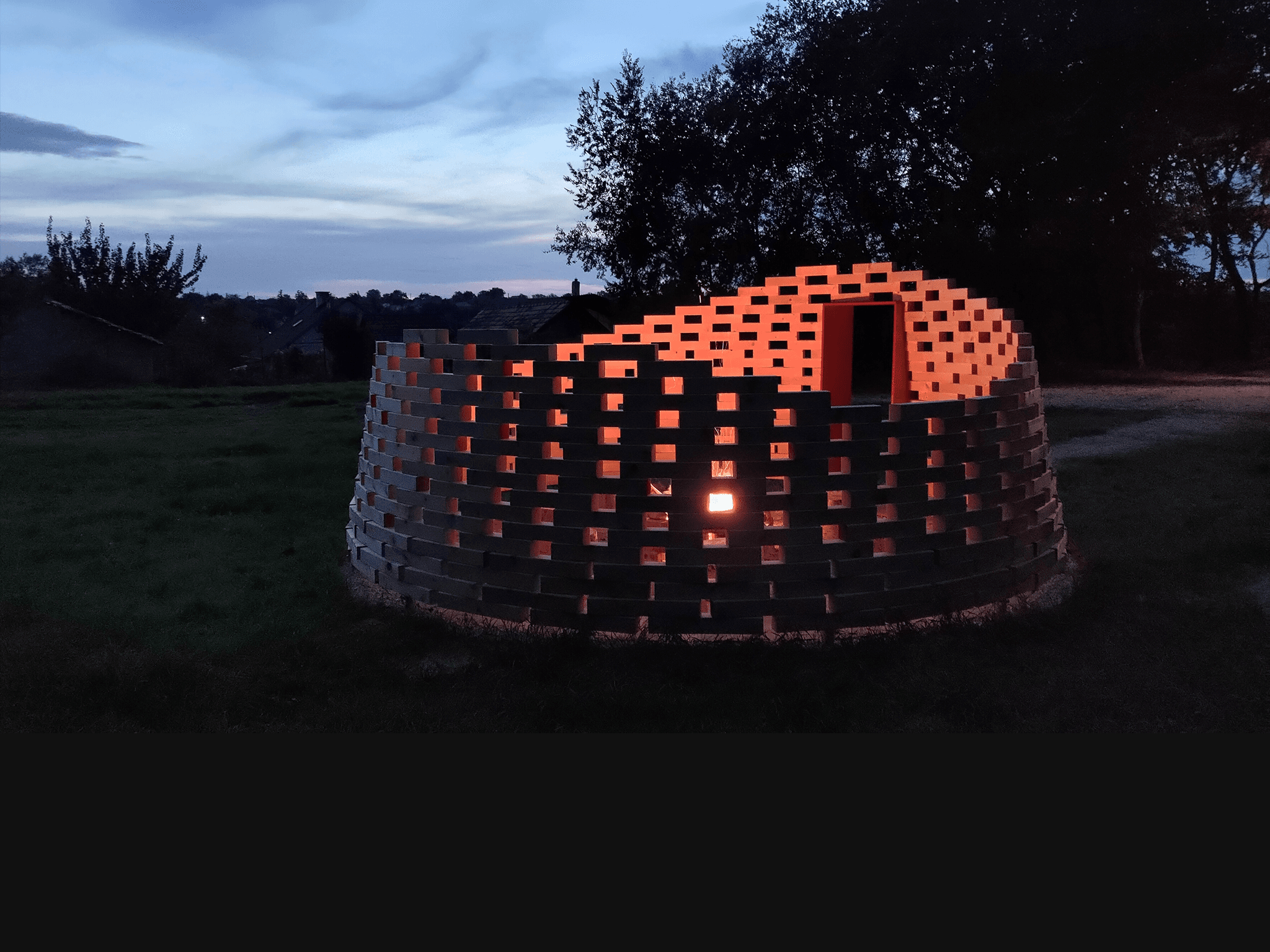
A parametrically designed and hand-built fire pit, constructed during a 4-day CSR camp — an exercise in translating an algorithmic design into a physical object on site.
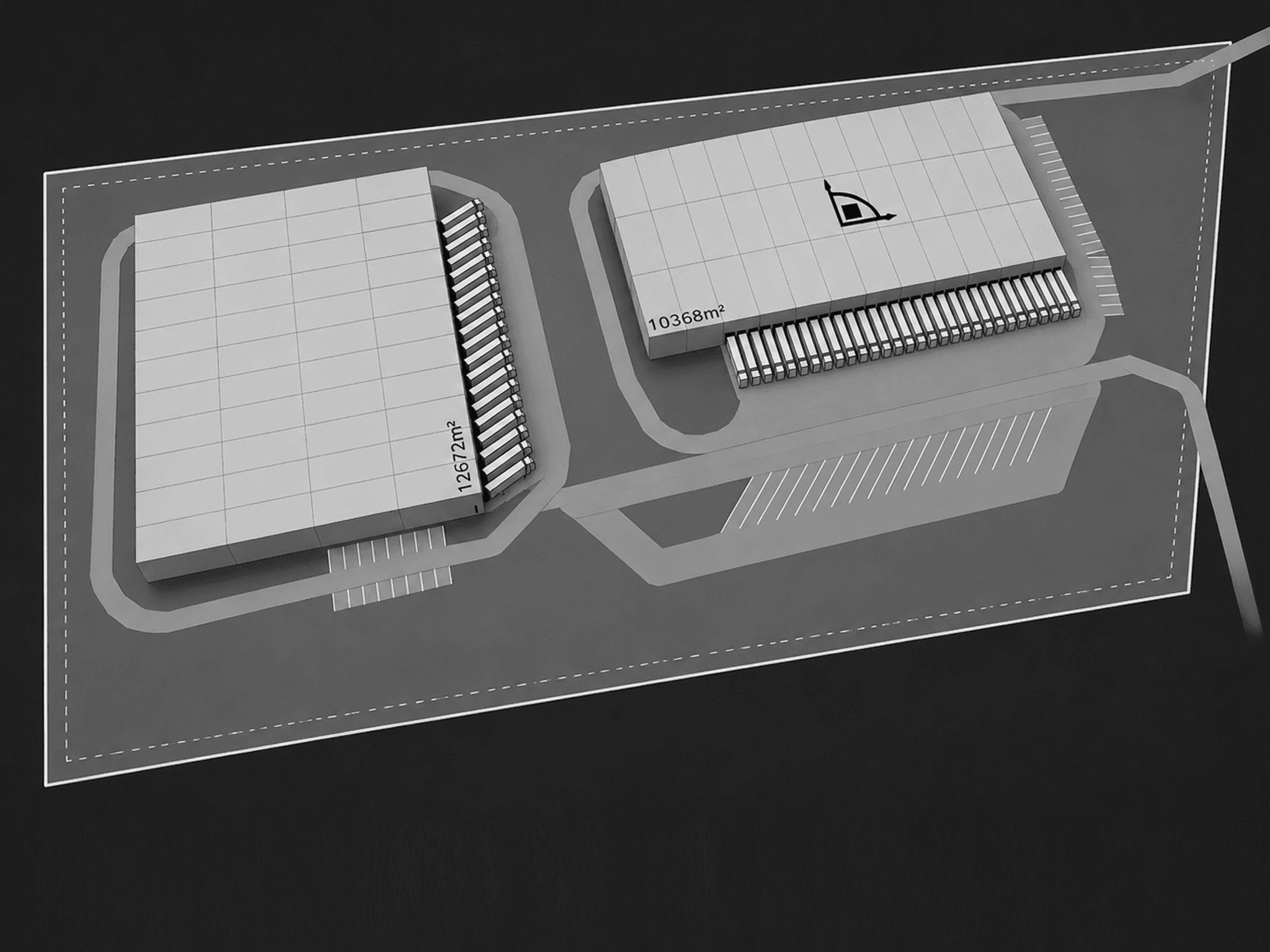
A browser-based decision support app for industrial and logistics building feasibility — sketch layouts, get instant quantitative outputs for area breakdowns and business planning.
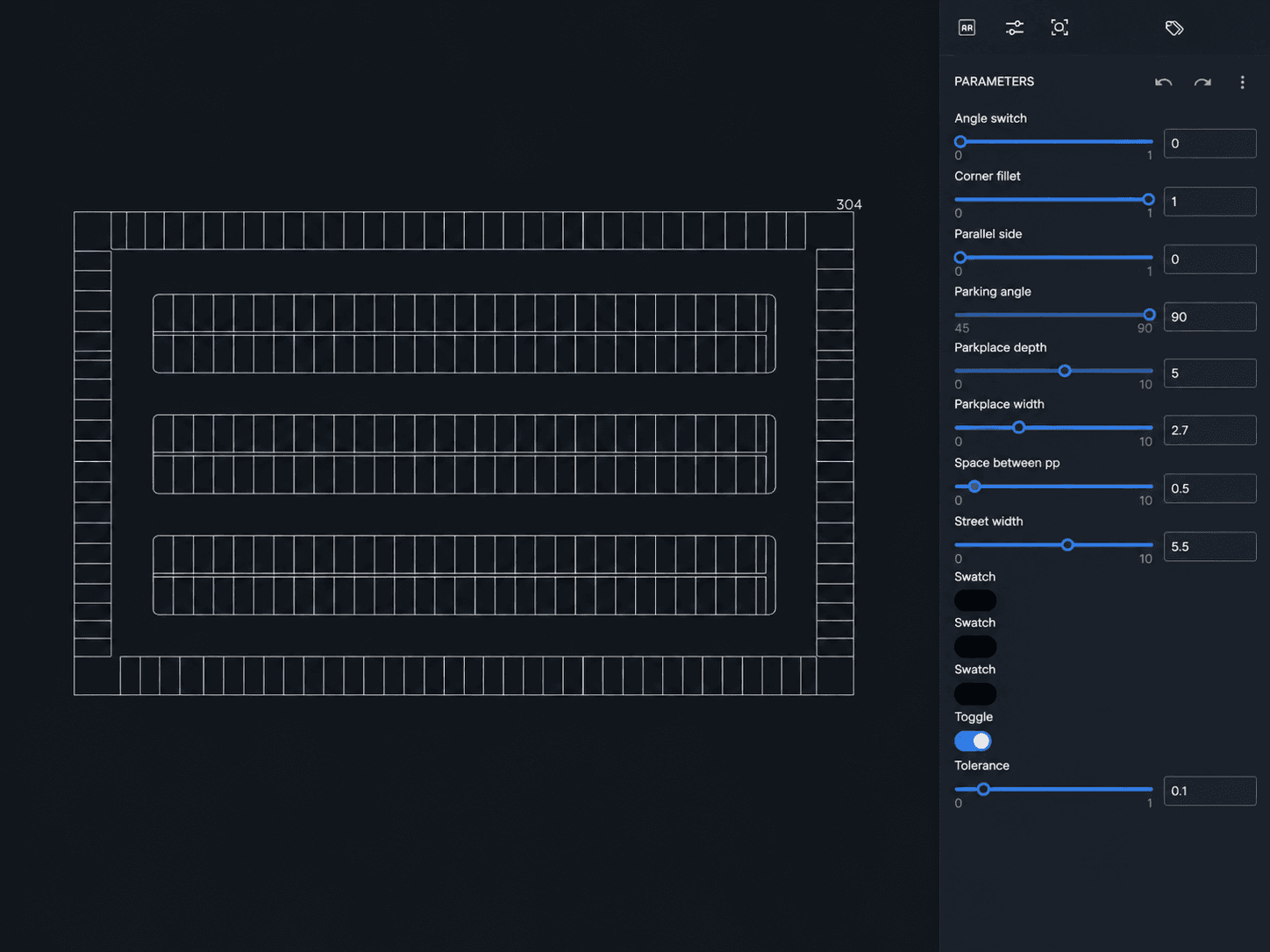
A Grasshopper algorithm that generates optimized parking layouts within any user-defined boundary, with full parametric control over space dimensions, angle, and street configuration.
An NFT collection and linked metaverse environment where each token is a key to a unique spatial experience — designed end-to-end in Grasshopper and published on Spatial.
A 45-minute foundation course on the Graphisoft Learn platform, teaching the Grasshopper-ArchiCAD Live Connection to BIM professionals looking to add parametric workflows to their practice.
A Hungarian-language Udemy course on parametric modelling in Grasshopper, covering fundamentals through practical architectural workflows for beginners and intermediate users.
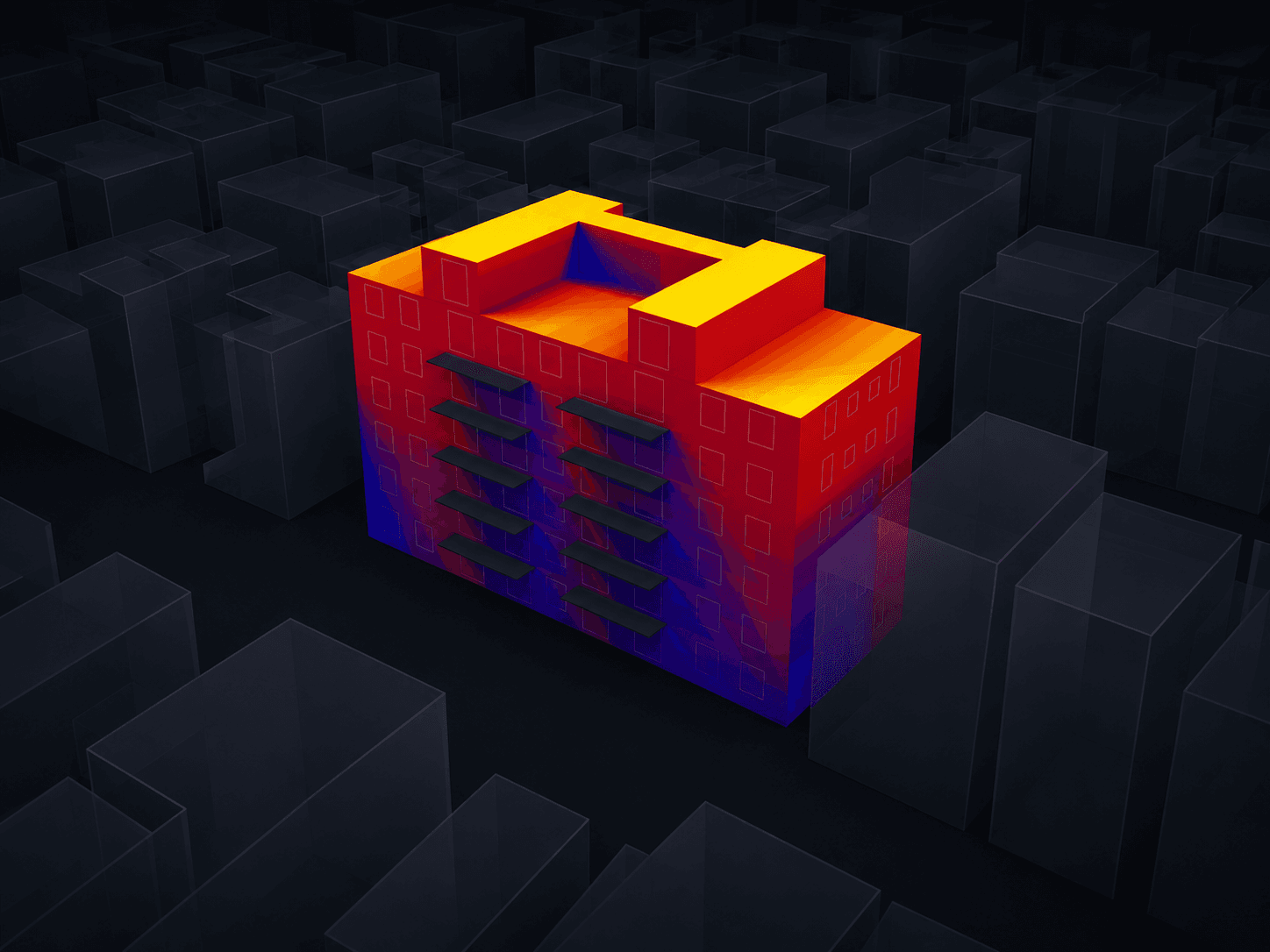
An end-to-end environmental analysis of a New York building using Ladybug and Honeybee — covering sunlight hours, radiation, solar envelope, shadow impact, shading, and energy balance.
A Grasshopper plug-in that connects Ladybug Dragonfly and Elk to generate urban building topology and EPW files from OpenStreetMap data — making city-scale environmental analysis accessible without manual setup.
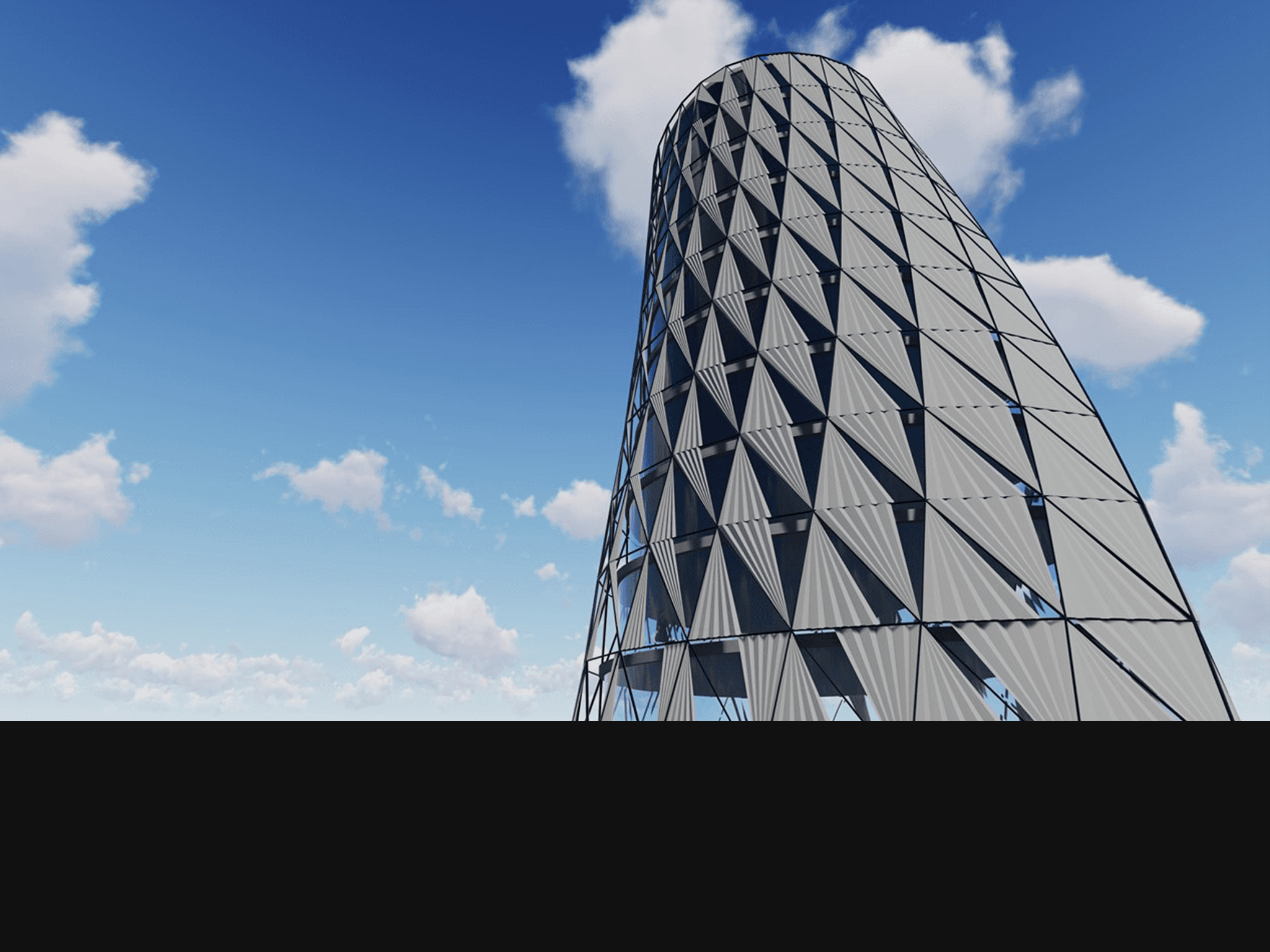
Two facade systems — one static, one kinetic — where Ladybug solar analysis directly drives facade density and panel behaviour based on harmful sunlight exposure.
A research thesis examining why generative design has not been widely adopted in architecture — identifying computational literacy as the key barrier and proposing practical paths forward.
A conceptual tower designed as the library of the world — where information is distributed wirelessly rather than stored, and the building's geometry is generated by a recursive parametric algorithm.
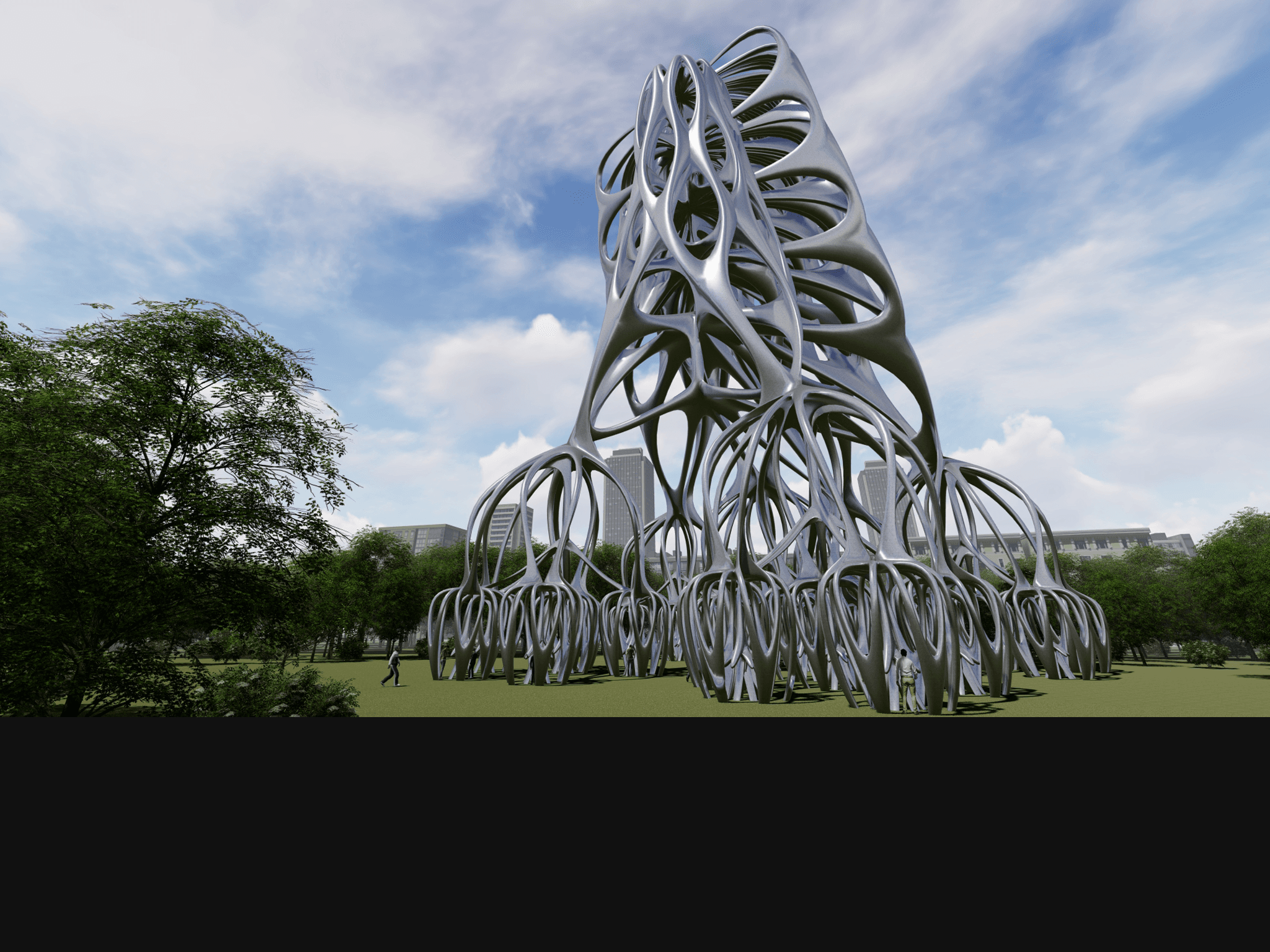
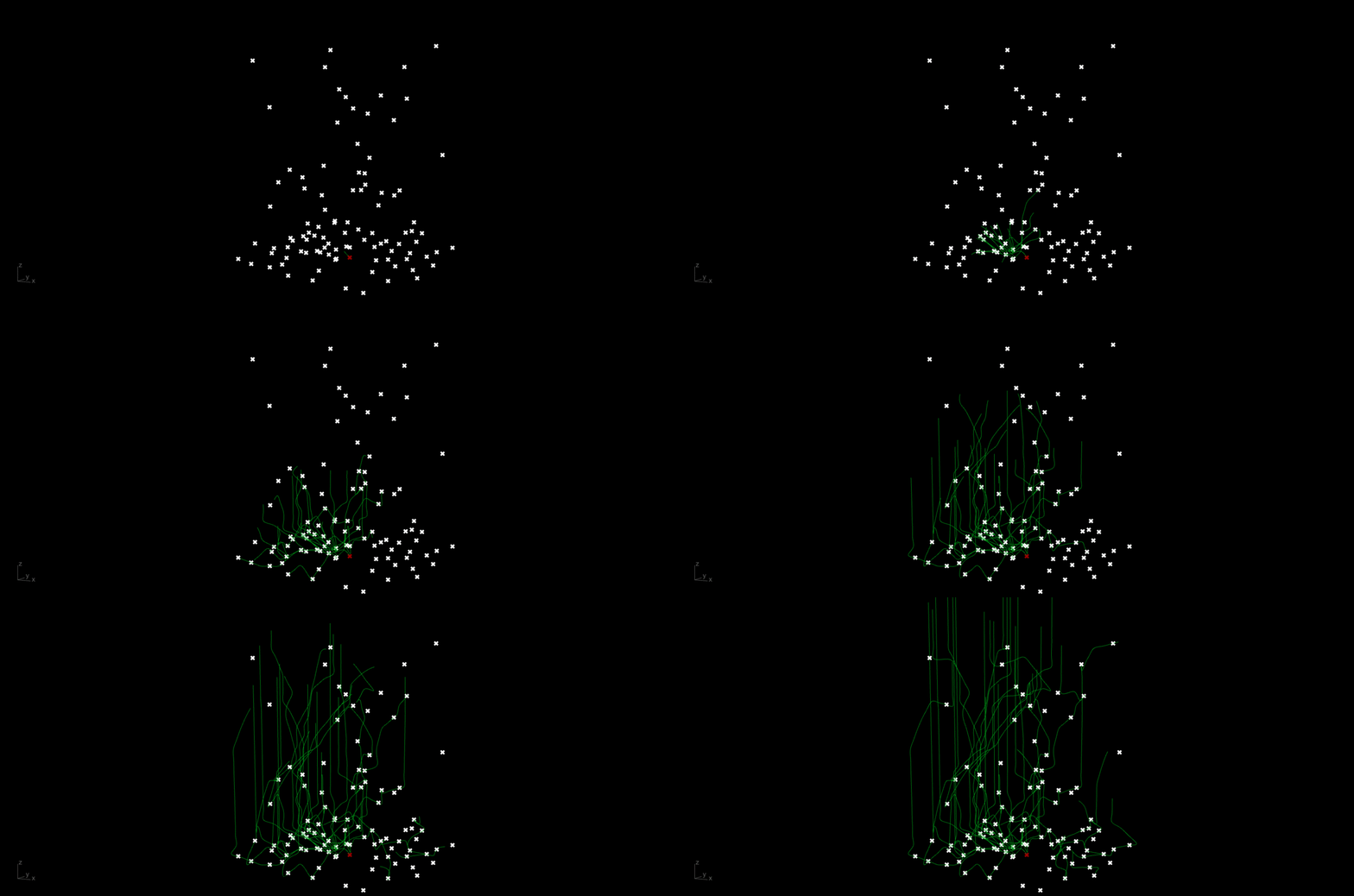
A Python-based simulation of biological growth behaviour in Grasshopper — used as a generative logic to design a small pavilion structure.
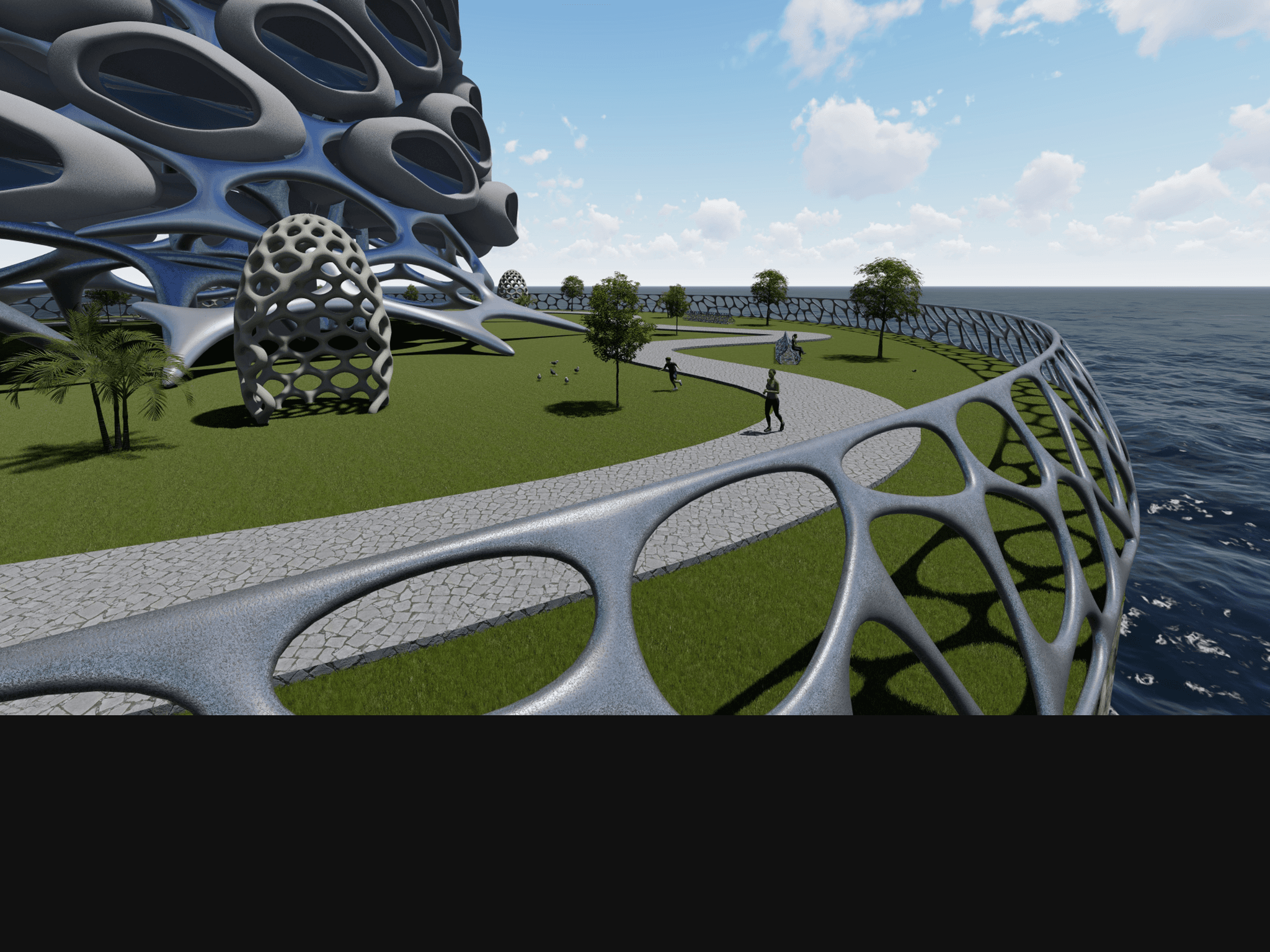
A concept tower for temporary refugee accommodation in Barcelona — a floating structure in the harbour organized around a single formal gesture inspired by the motion of a flower opening.
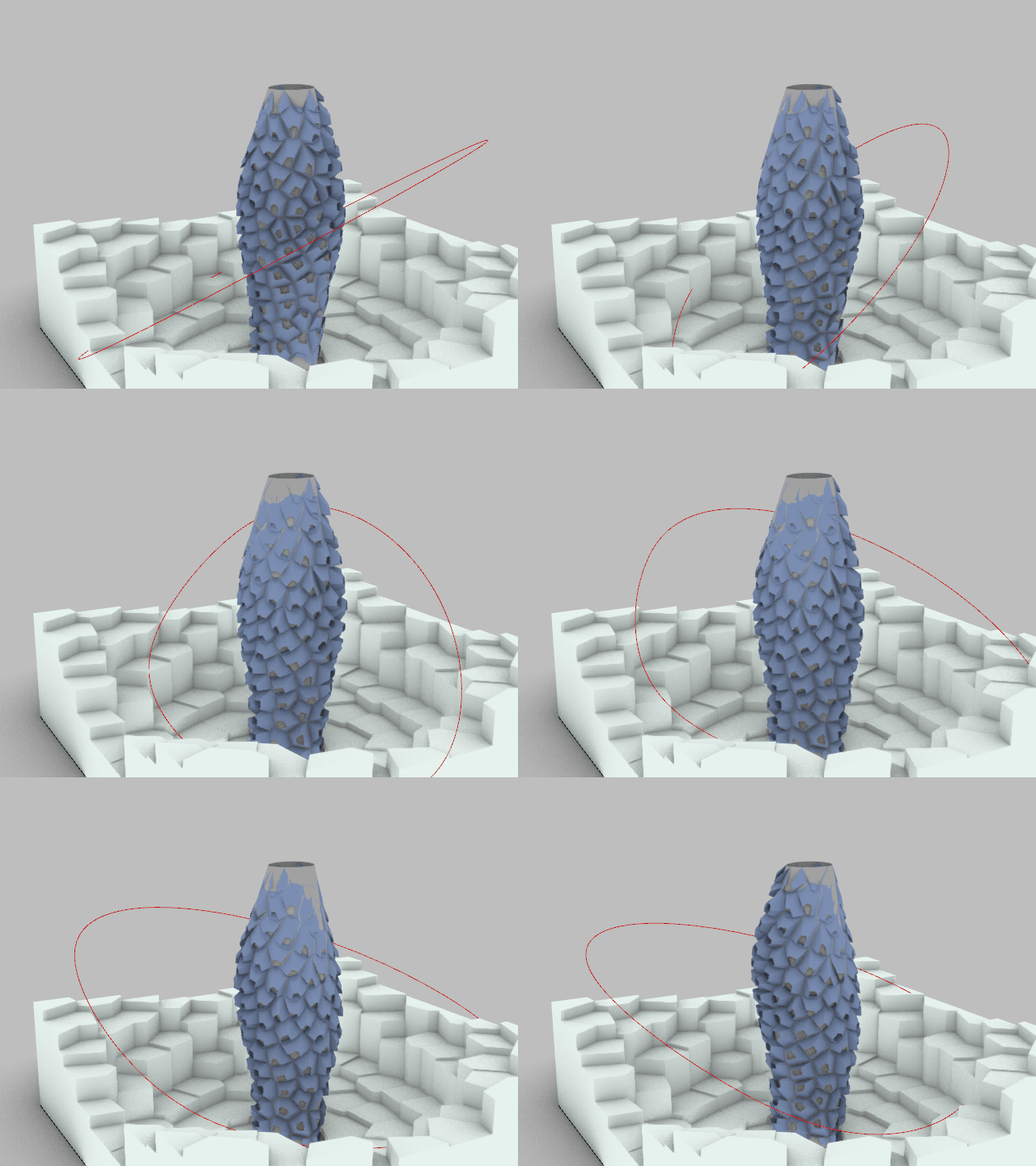
A series of Grasshopper and Python exercises from the Biodigital Architecture MSc — exploring geometry generation, procedural animation, and natural system simulation.
Remodelling exercises from the start of my master's programme — two complex buildings rebuilt in Rhinoceros in a single day each.
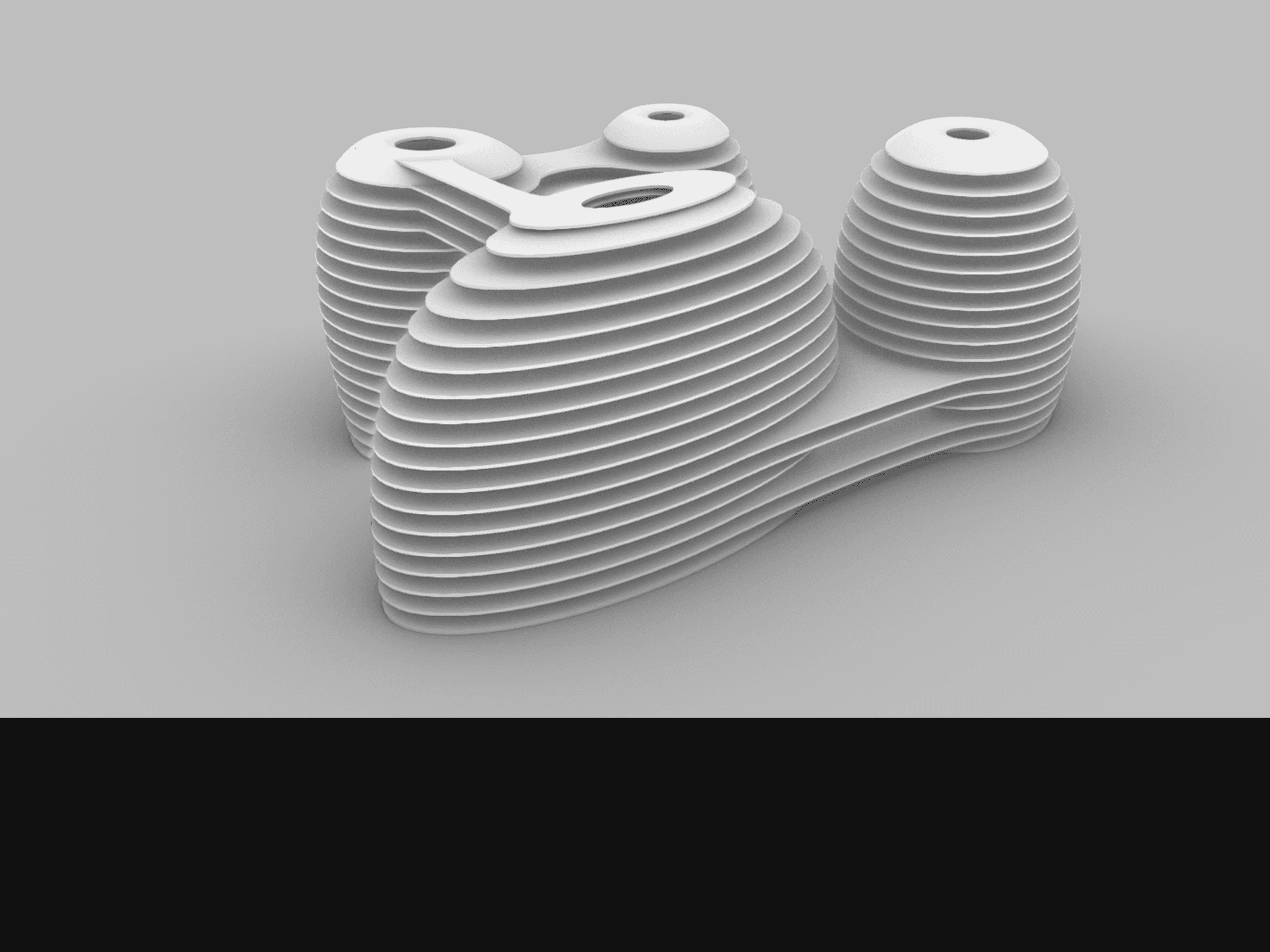
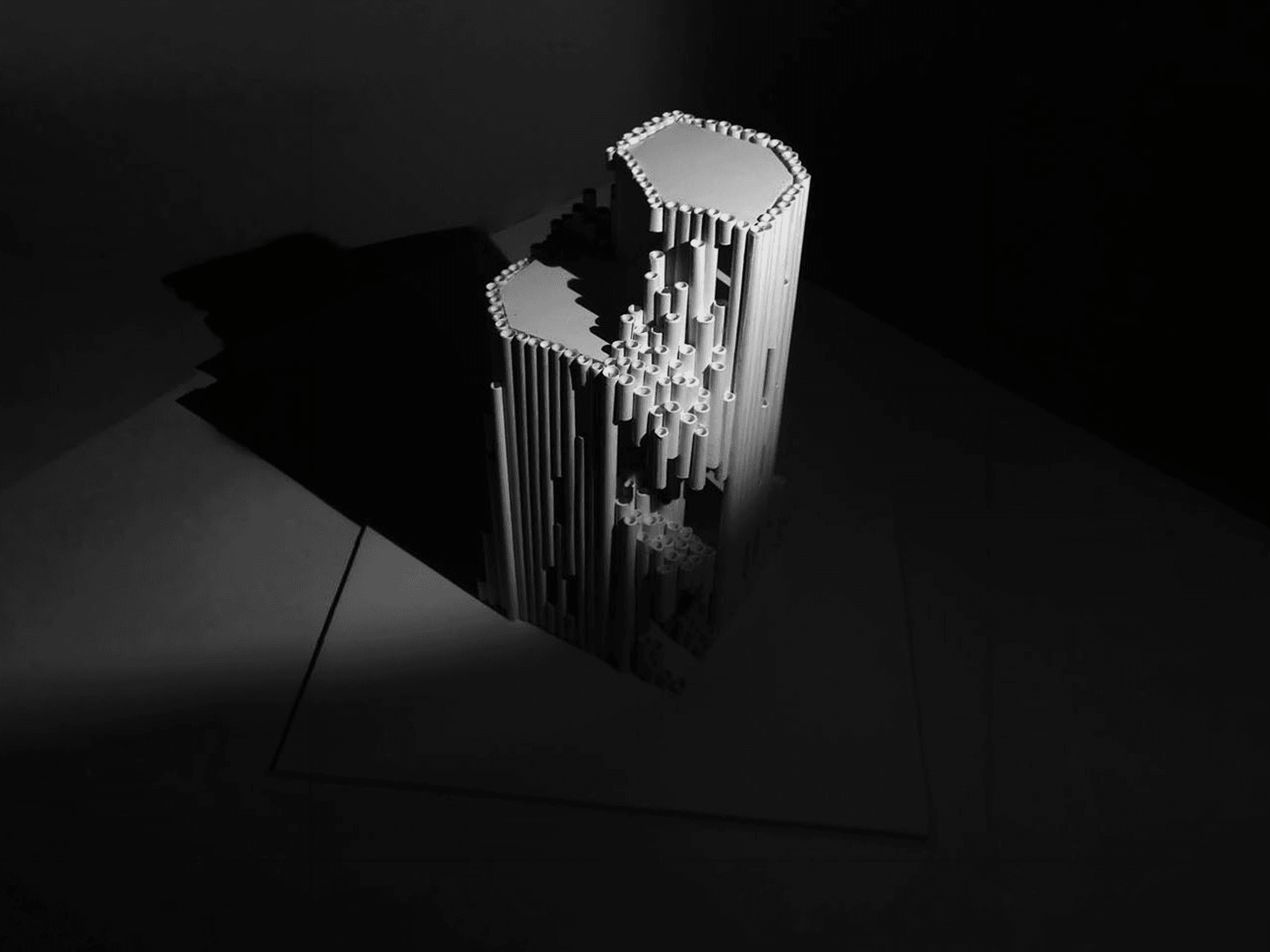
A selection of physical models made over the course of the Bachelor degree — from a space composition cave carved from a cube to a farmhouse, a weekend house, and an abstract tower.