Architecture
Grasshopper Ladybug Facades
Two facade systems — one static, one kinetic — where Ladybug solar analysis directly drives facade density and panel behaviour based on harmful sunlight exposure.
- Year
- 2020
- Role
- Computational Designer
- Tools
- Rhino · Grasshopper
About this project
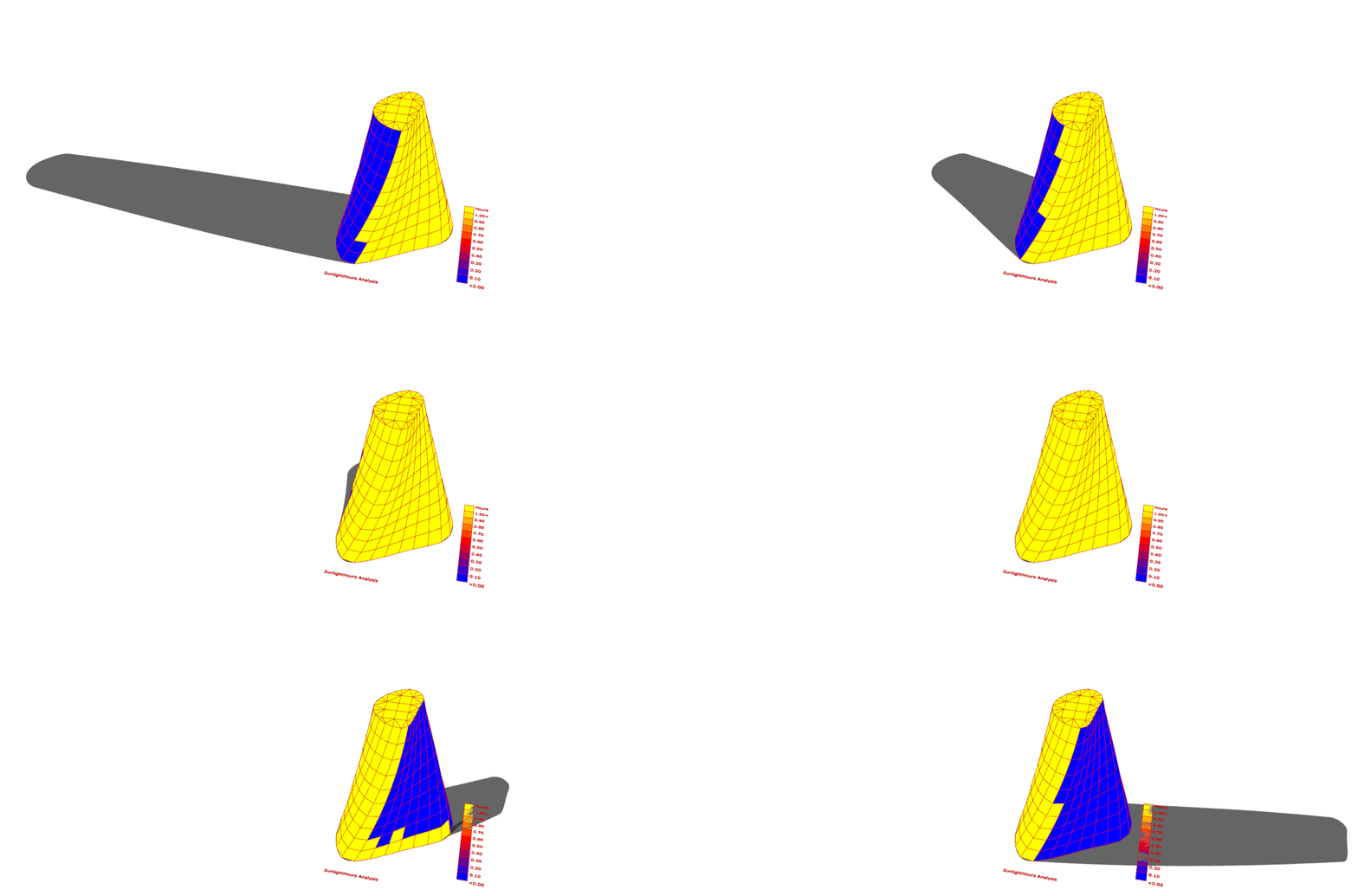
The first facade is a static system. Ladybug was used to analyse the annual distribution of harmful sunlight hours across the surface — the hours when the interior would require mechanical cooling. This data directly drives the facade density algorithm: as harmful sunlight hours increase, the facade panels become more tightly packed. The result is a performance-informed geometry where the building's own environmental exposure is legible in its skin.
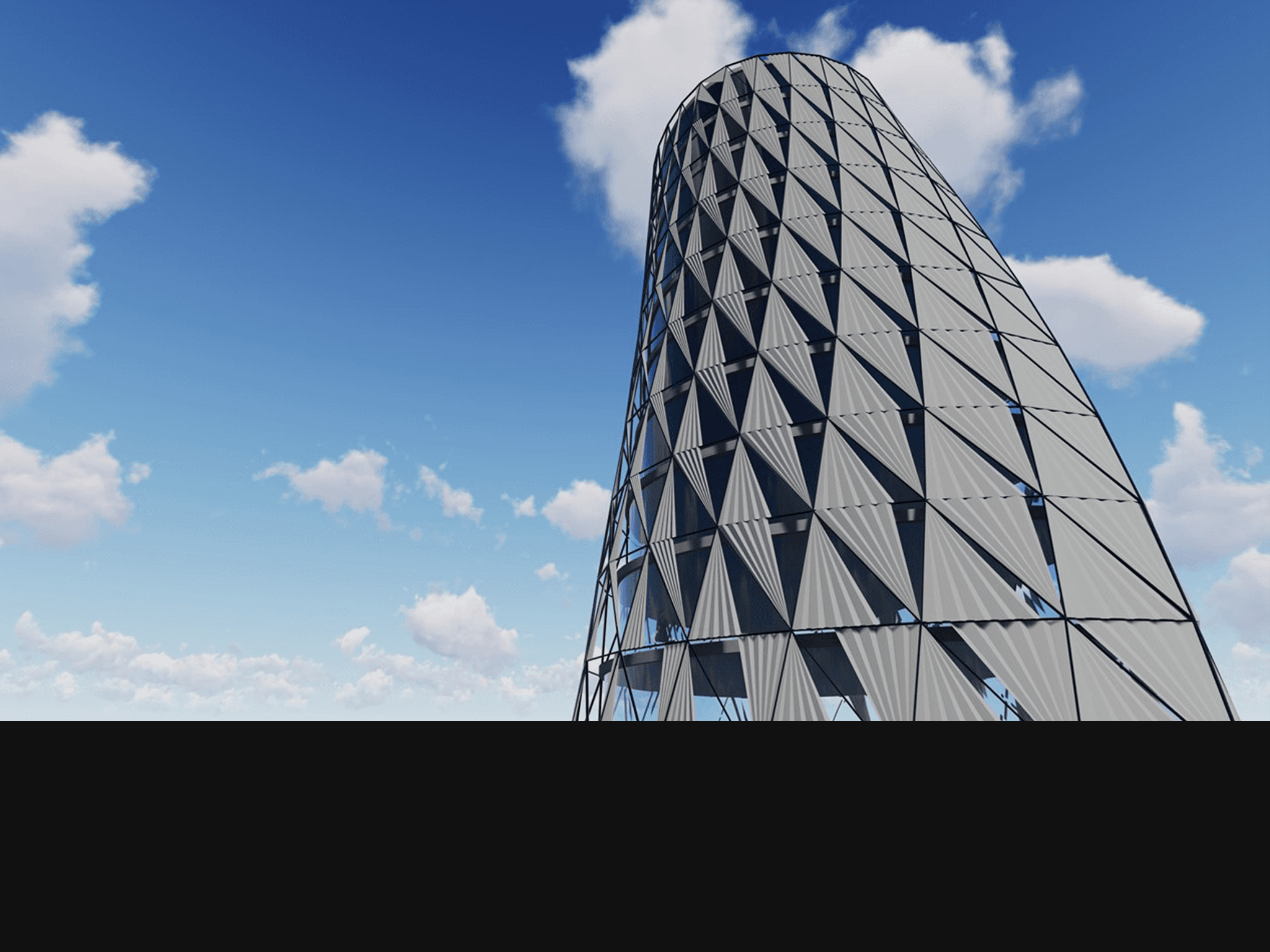
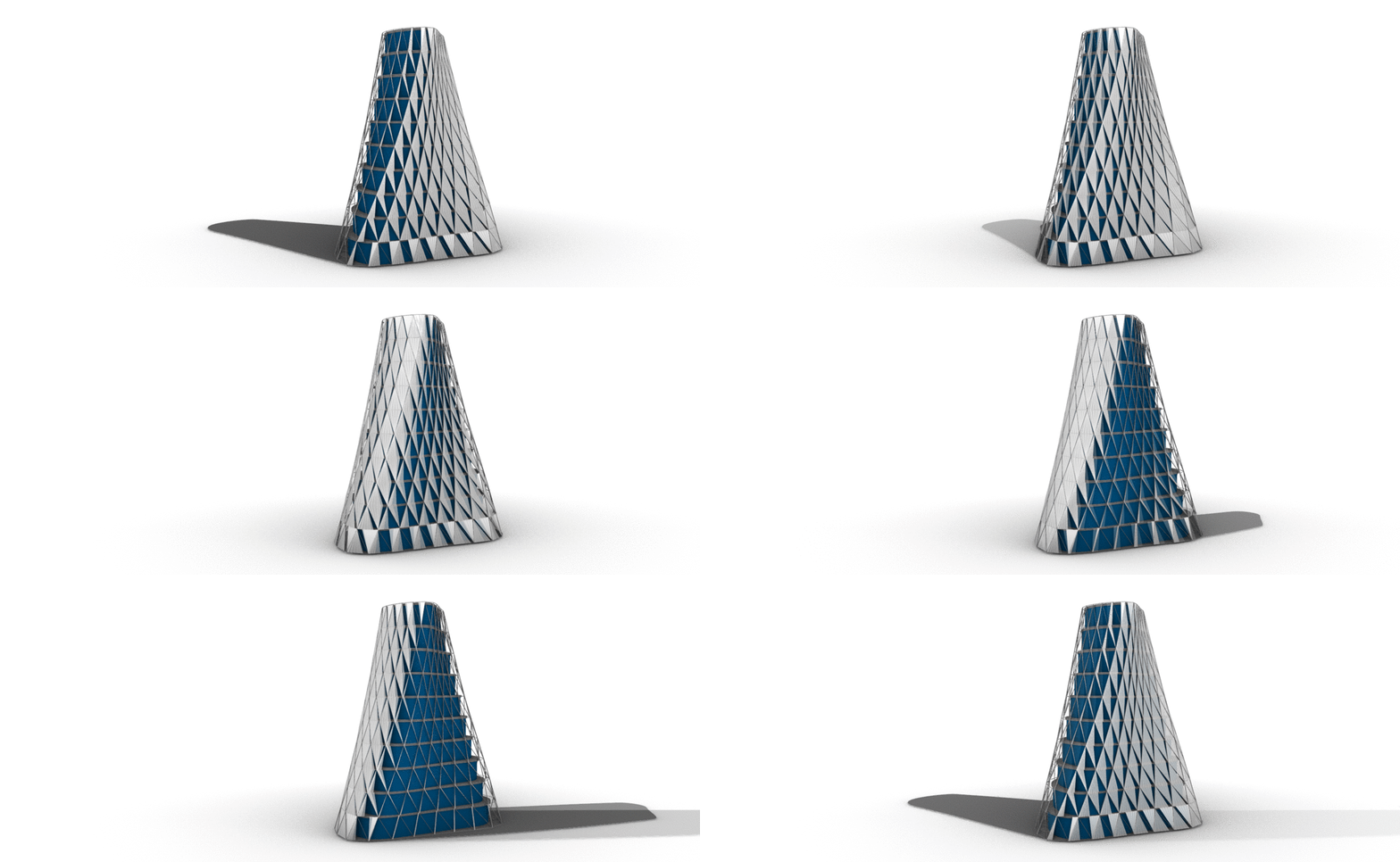
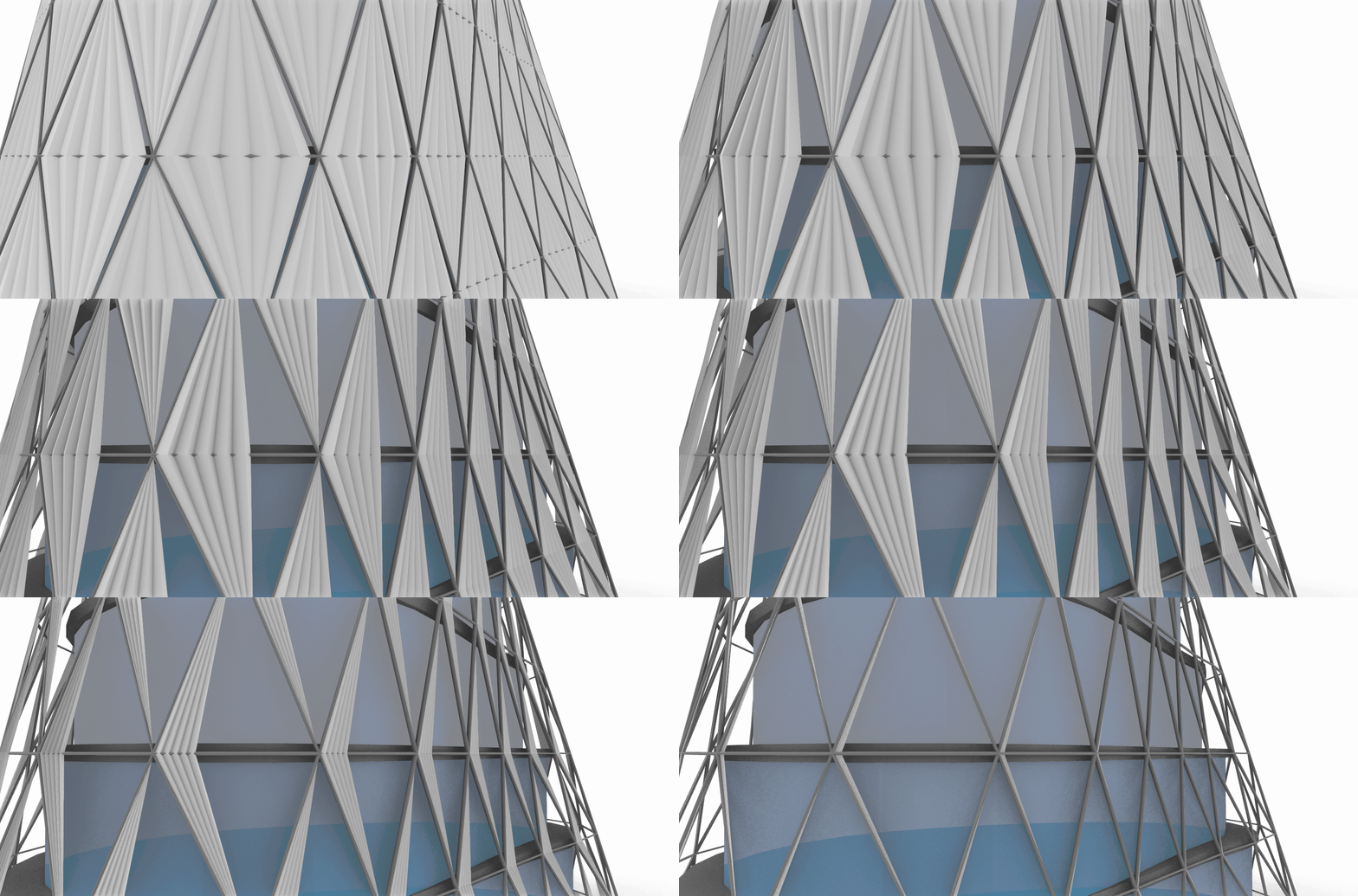
The second is a kinetic facade. Here, the sun path drives individual triangular panels that close when direct harmful sunlight strikes them, providing dynamic shading in real time. Both systems are geometry-agnostic and work on any input surface.
kinetic facade animation — panels responding to sun path
kinetic facade animation — closeup
sunlight hours analysis driving facade density
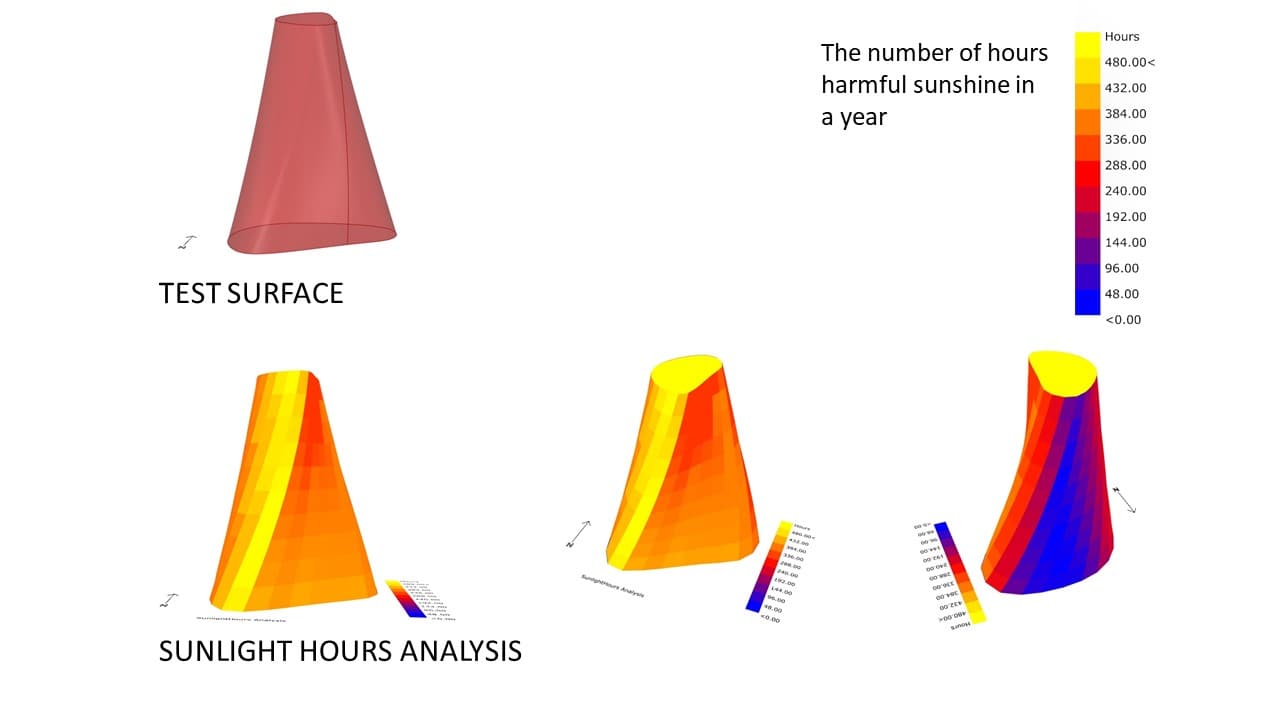
static facade panels
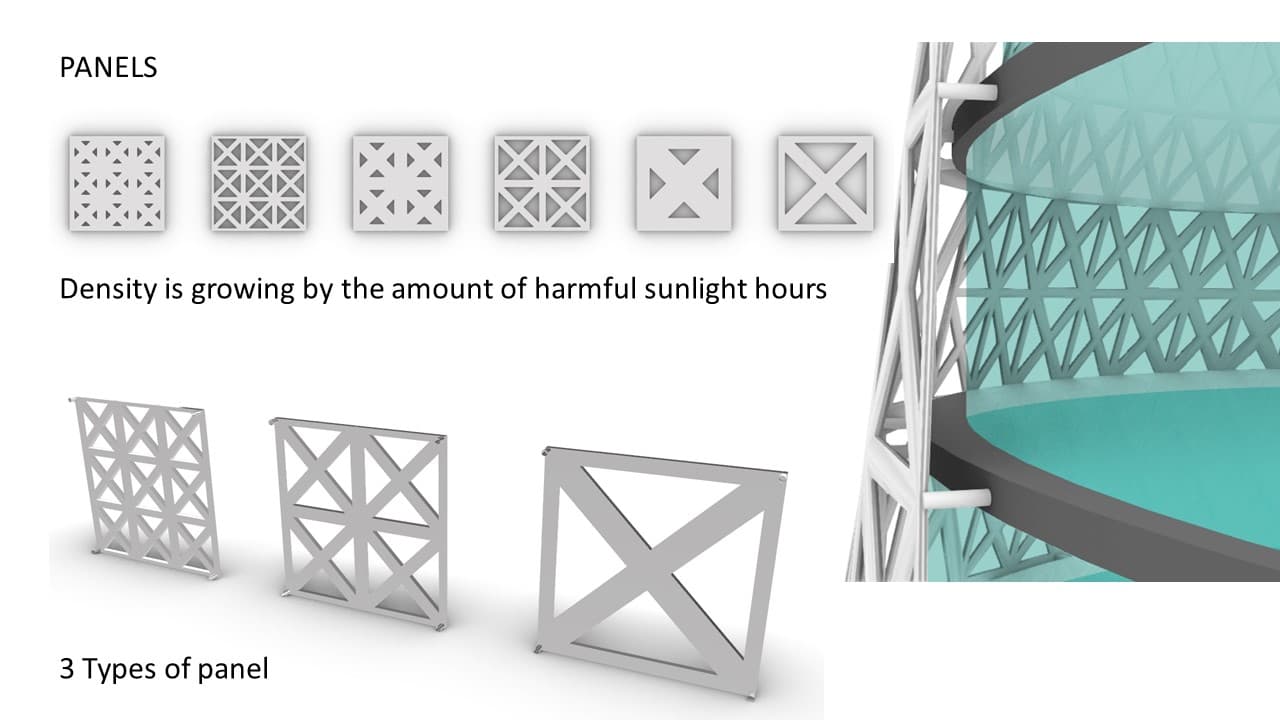
static facade benefit analysis
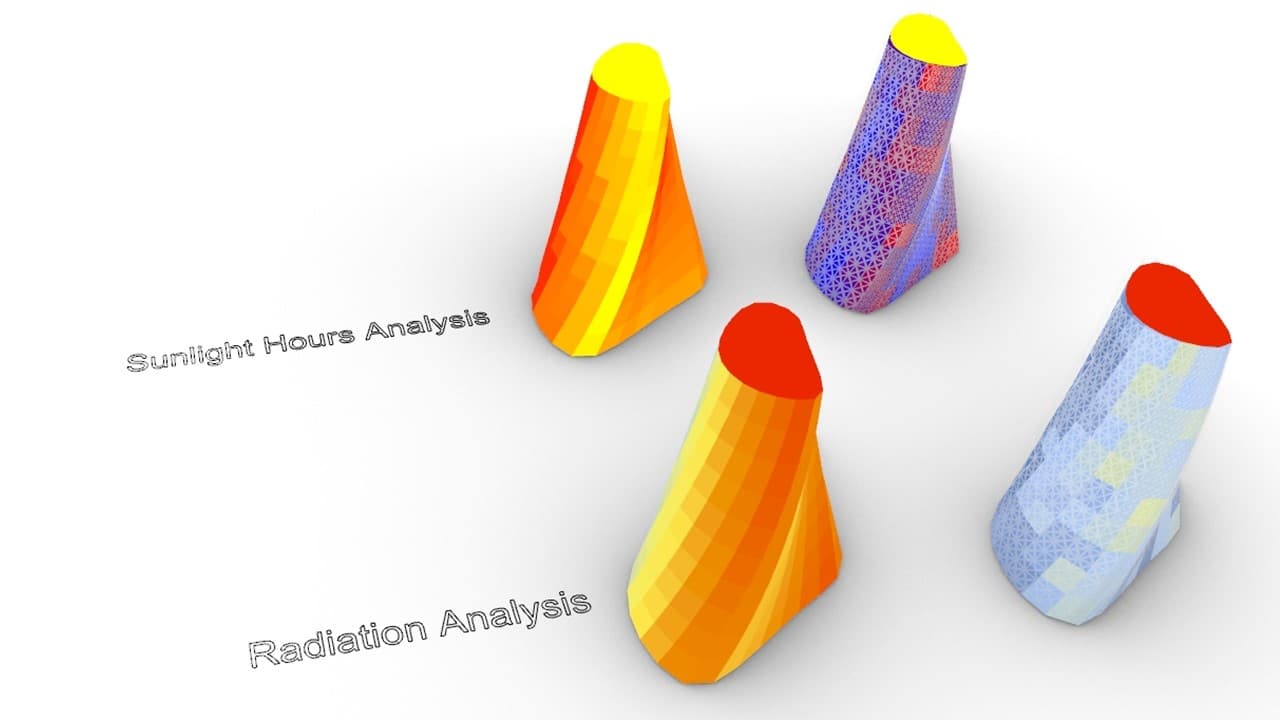
static facade view 1
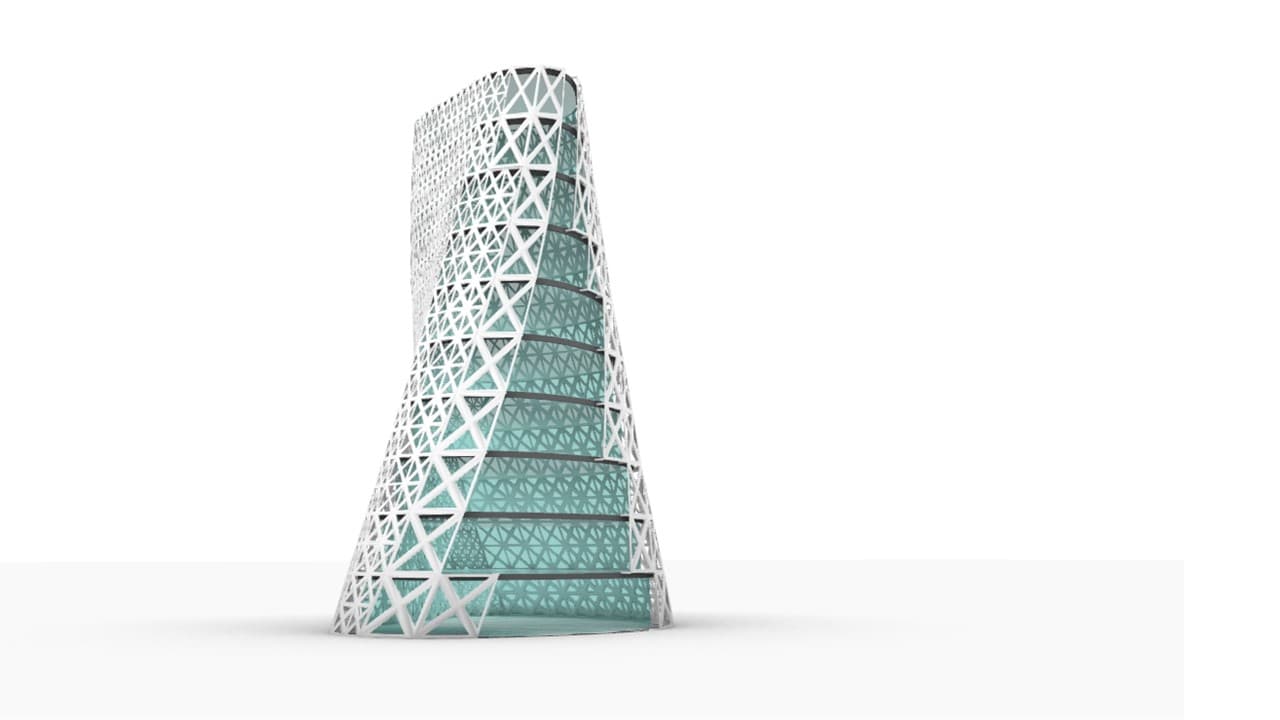
static facade view 2
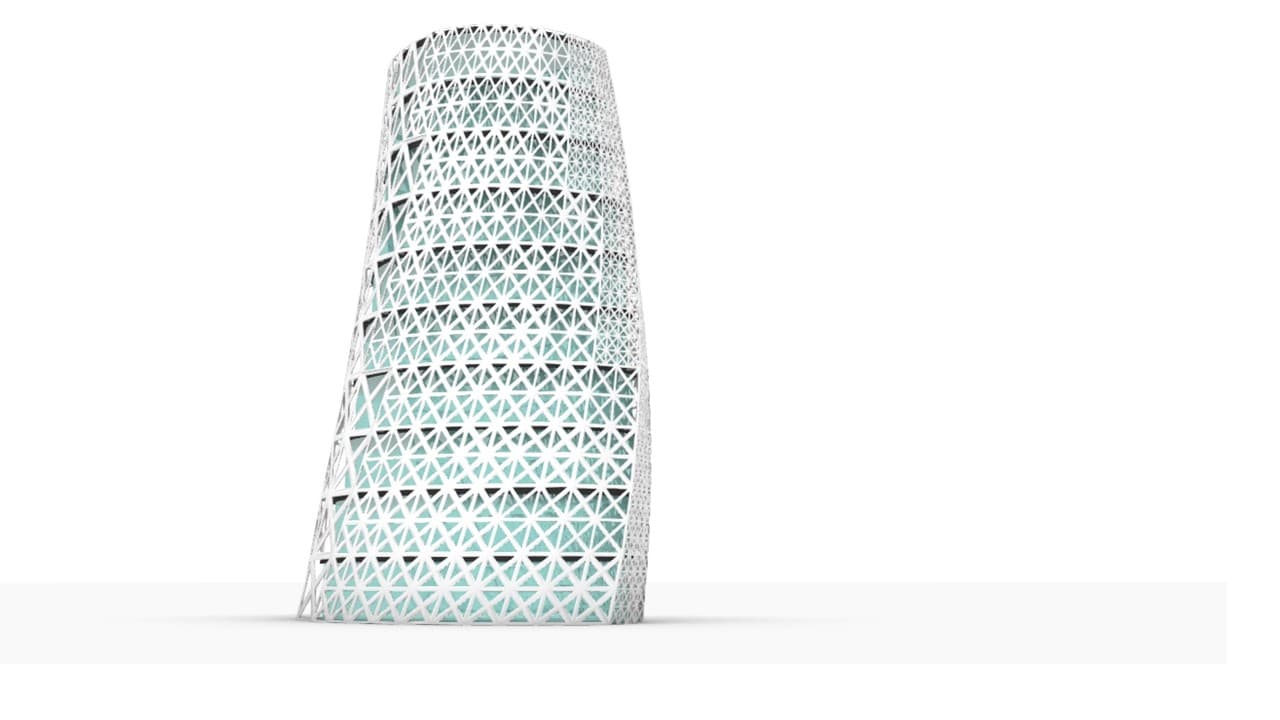
static facade render
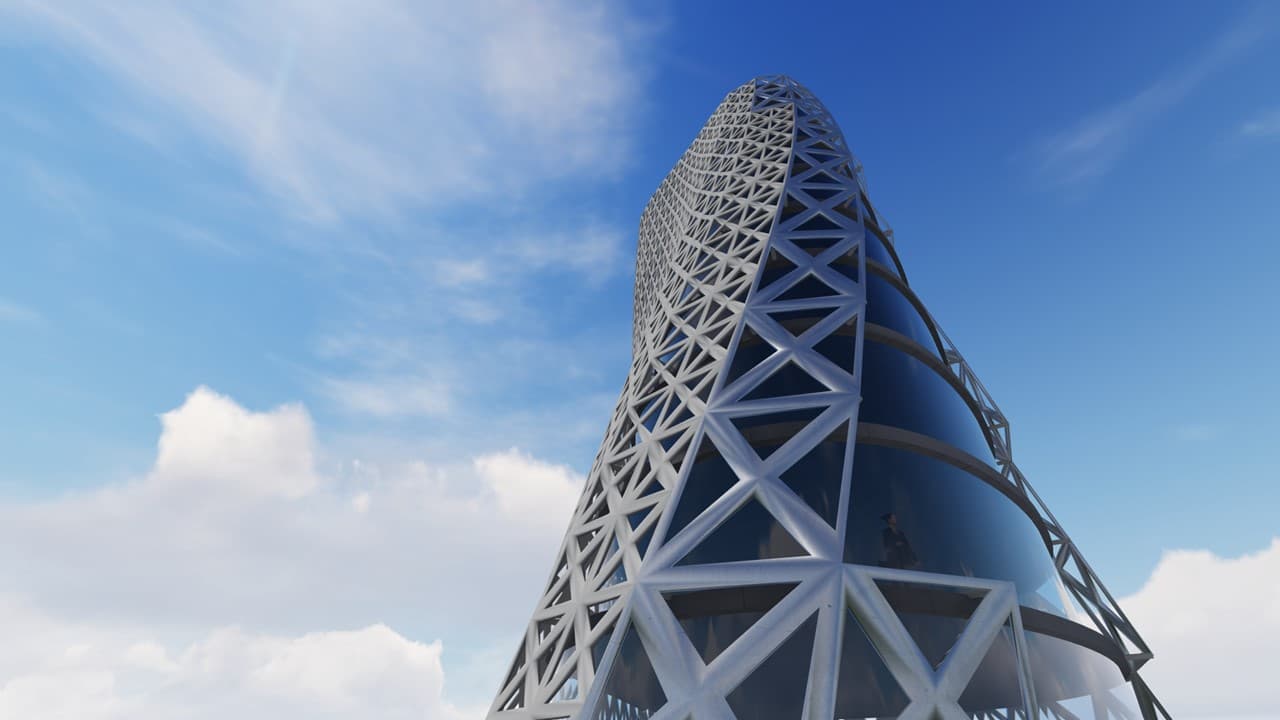
kinetic facade system animation